

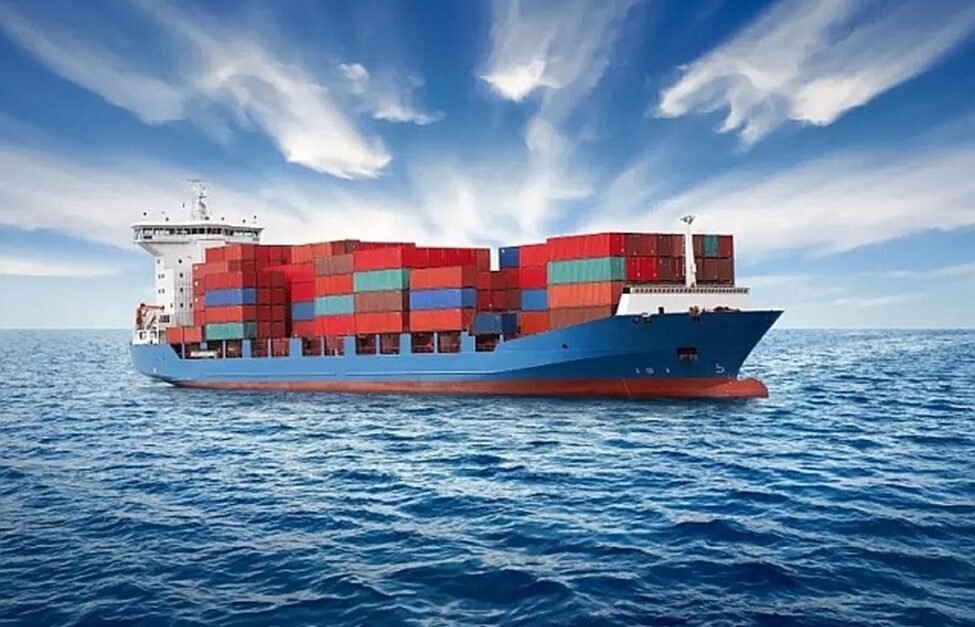
Introduction to Cargo by Sea:
Shipping cargo by sea is one of the most cost-effective ways for businesses in London to move goods internationally.
However, for many companies across the M25 corridor, the real challenge is not just ocean freight — it is coordinating local logistics, port transport, customs handling, and final delivery.
This guide explains how cargo by sea works, what businesses in London need to consider, and how combining sea freight with reliable transport logistics services ensures smooth and efficient operations.
Who This Guide Is For
This guide is useful for:
• London-based businesses shipping goods internationally
• Importers and exporters using UK ports
• Companies managing supply chains across the M25
• First-time shippers looking to understand sea freight
If your business relies on moving goods between London and international markets, understanding sea freight is essential.
What Is Cargo by Sea?
Cargo by sea refers to transporting goods using ocean-going vessels across international waters. It is commonly used for large, heavy, or bulk shipments that are not time-sensitive. Compared to air freight, shipping cargo by sea is significantly more economical, especially for long distances and high-volume consignments.
Sea freight plays a vital role in global trade, handling nearly 90% of international cargo worldwide. From raw materials to finished products, businesses rely on cargo by sea for efficiency, scalability, and affordability.
For hazardous goods, ADR transport services ensure compliance and safe delivery to ports.
How London Businesses Use Sea Freight
For businesses operating in London and the M25 corridor, cargo by sea is often just one part of the logistics process.
Goods typically need to be:
• Collected from warehouses or suppliers
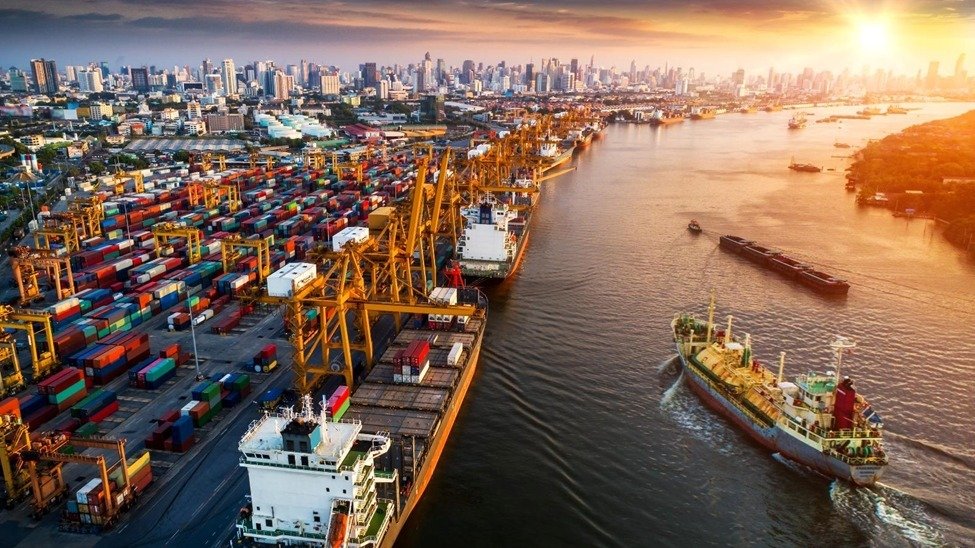
• Transported to major UK ports such as Felixstowe or Southampton
• Cleared through customs
• Delivered to final destinations
This is where local logistics providers like M25 Logistics play a key role, ensuring goods move efficiently between ports and businesses across London. Businesses often rely on transport logistics services in London to move cargo between ports and warehouses efficiently.
For urgent shipments, businesses often use same day courier services in London to ensure cargo reaches ports without delay.
Why Choose Shipping Cargo by Sea?
There are several reasons why businesses and individuals prefer shipping cargo by sea:
- Cost-effective for large and heavy shipments
- Ideal for international and intercontinental trade
- Flexible container options (FCL & LCL)
- Environmentally more efficient per ton-mile
- Suitable for almost all types of cargo
For beginners, cargo by sea offers predictable costs and structured processes, making it easier to plan logistics operations.
Types of Cargo by Sea
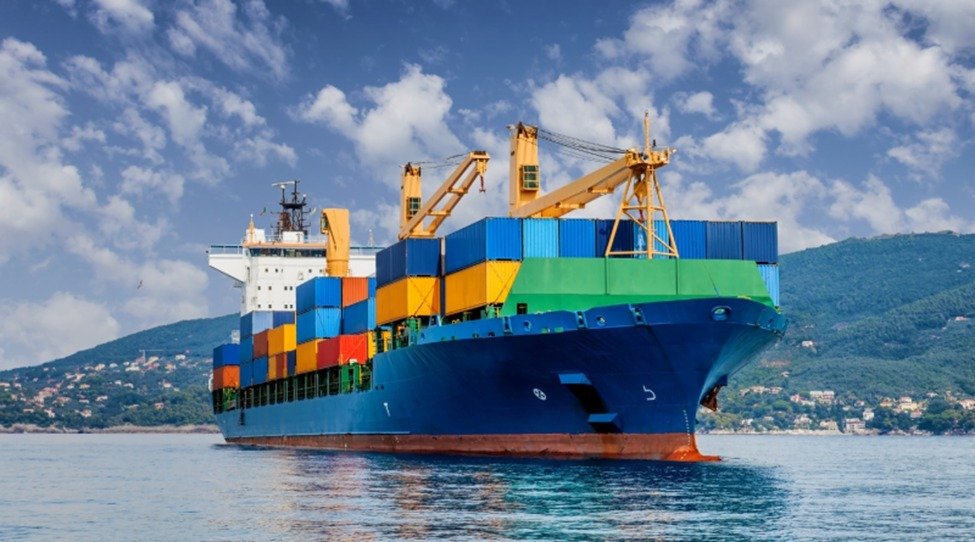
Understanding cargo types is essential before shipping.
Full Container Load (FCL)
FCL means your cargo occupies an entire container. It is best for large shipments and offers better security and faster handling.
Less than Container Load (LCL)
LCL allows you to share container space with other shippers. This option is ideal for smaller volumes and first-time shippers looking to reduce costs.
Special Cargo
This includes refrigerated goods, hazardous materials, oversized cargo, and fragile items. Shipping such cargo by sea requires special containers and documentation.
Step-by-Step Process of Shipping Cargo by Sea
1. Cargo Planning and Assessment
Before shipping cargo by sea, evaluate the size, weight, nature, and destination of your shipment. Proper planning helps determine the right container type and shipping method.
2. Documentation Preparation
Accurate documentation is critical when dealing with cargo by sea. Common documents include:
- Bill of Lading
- Commercial Invoice
- Packing List
- Certificate of Origin
- Customs Declarations
Errors in paperwork can delay shipments, so working with an experienced logistics provider is essential.
3. Cargo Collection and Transport
Once documents are ready, your goods are collected and transported to the port. If you need urgent domestic movement before port arrival, M25 Logistics also offers same day delivery and next day delivery services to ensure your cargo reaches the port on time.
4. Customs Clearance
Customs clearance is mandatory for international shipping cargo by sea. Authorities inspect documentation, calculate duties, and approve exports or imports.
5. Ocean Transportation
Your cargo is loaded into containers and shipped via ocean vessels. Transit time depends on the route, destination, and weather conditions.
6. Destination Handling and Delivery
Once the vessel arrives, cargo is unloaded, cleared through customs, and delivered to the final destination.
How Long Does Cargo by Sea Take?
Transit time for shipping cargo by sea varies by route and destination. On average:
- UK to Europe: 5–12 days
- UK to Middle East: 18–30 days
- UK to Asia: 25–40 days
- UK to USA: 15–25 days
While slower than air freight, cargo by sea offers unbeatable cost savings.
How Much Does Shipping Cargo by Sea Cost?
The cost of shipping cargo by sea depends on several factors:
- Container type (FCL or LCL)
- Cargo volume and weight
- Destination port
- Fuel surcharges
- Customs duties and taxes
Choosing a reliable freight partner ensures transparent pricing and avoids hidden costs.
Common Mistakes Beginners Should Avoid
- Incorrect or incomplete documentation
- Poor cargo packaging
- Choosing the wrong container type
- Ignoring customs regulations
- Working with inexperienced freight providers
Avoiding these mistakes ensures smooth cargo by sea operations.
Why Choose M25 Logistics
M25 Logistics supports London businesses with the critical part of sea freight logistics — moving goods efficiently between locations and ports.
We specialise in:
• Fast collection across London and the M25
• Transport to major UK ports
• Time-sensitive and urgent deliveries
• ADR transport for hazardous goods
• Real-time tracking and reliable scheduling
We do not replace freight forwarders — we ensure your cargo gets where it needs to be, on time, within the UK.
Sea Freight + Local Logistics: Complete Delivery Solution
While sea freight handles international transport, businesses still need reliable logistics within London.
M25 Logistics supports:
• Collection of goods before port shipping
• Transport from ports to warehouses
• Urgent same day deliveries across London
• Scheduled distribution across the M25 corridor
This combination ensures that cargo moves efficiently from port to final destination without delays.
Common Use Cases for London Businesses
Businesses across London use sea freight alongside local logistics for:
• Importing goods through UK ports
• Export shipments to international markets
• Moving bulk inventory for e-commerce
• Transporting goods between warehouses and ports
Efficient coordination between sea freight and local delivery ensures operations run smoothly without delays.
Conclusion
Shipping cargo by sea is a cost-effective solution for international trade, but success depends on how well each stage of the logistics process is managed.
For businesses in London, combining sea freight with reliable transport logistics services ensures goods move efficiently from ports to final destinations.
By understanding the process and working with experienced logistics providers, businesses can reduce delays, control costs, and maintain smooth supply chain operations.
Need Help Moving Cargo to or from a UK Port?
If your business operates in London or across the M25 corridor, reliable transport to and from ports is essential for avoiding delays.
M25 Logistics provides:
• Same day courier services to major UK ports
• Scheduled transport for sea freight shipments
• ADR transport for regulated goods
• Fast collection across London and the M25
Contact our team today to arrange fast and reliable transport for your cargo.
FAQs
Q: What is cargo by sea shipping?
A: Cargo by sea shipping refers to transporting goods via ocean vessels, commonly used for international trade and large shipments.
Q: How does cargo reach the port in London?
A: Goods are transported to ports using local logistics providers, often through dedicated transport services across the M25.
Q: Is sea freight suitable for small businesses?
A: Yes, options like LCL allow small businesses to ship smaller volumes at lower cost.
Q: What is the first step in shipping cargo by sea?
A: The first step is planning your shipment, including packaging, documentation, and arranging transport to the port.
